
Introduction
After over six months with the Ultrahuman Ring, I can finally say I understand what makes it different, and where it still needs to improve. I originally made the switch from the Apple Watch Ultra because I wanted something lighter, simpler, and more insight into my sleep. As a technical person I love having all the data. Did I make the right decision?
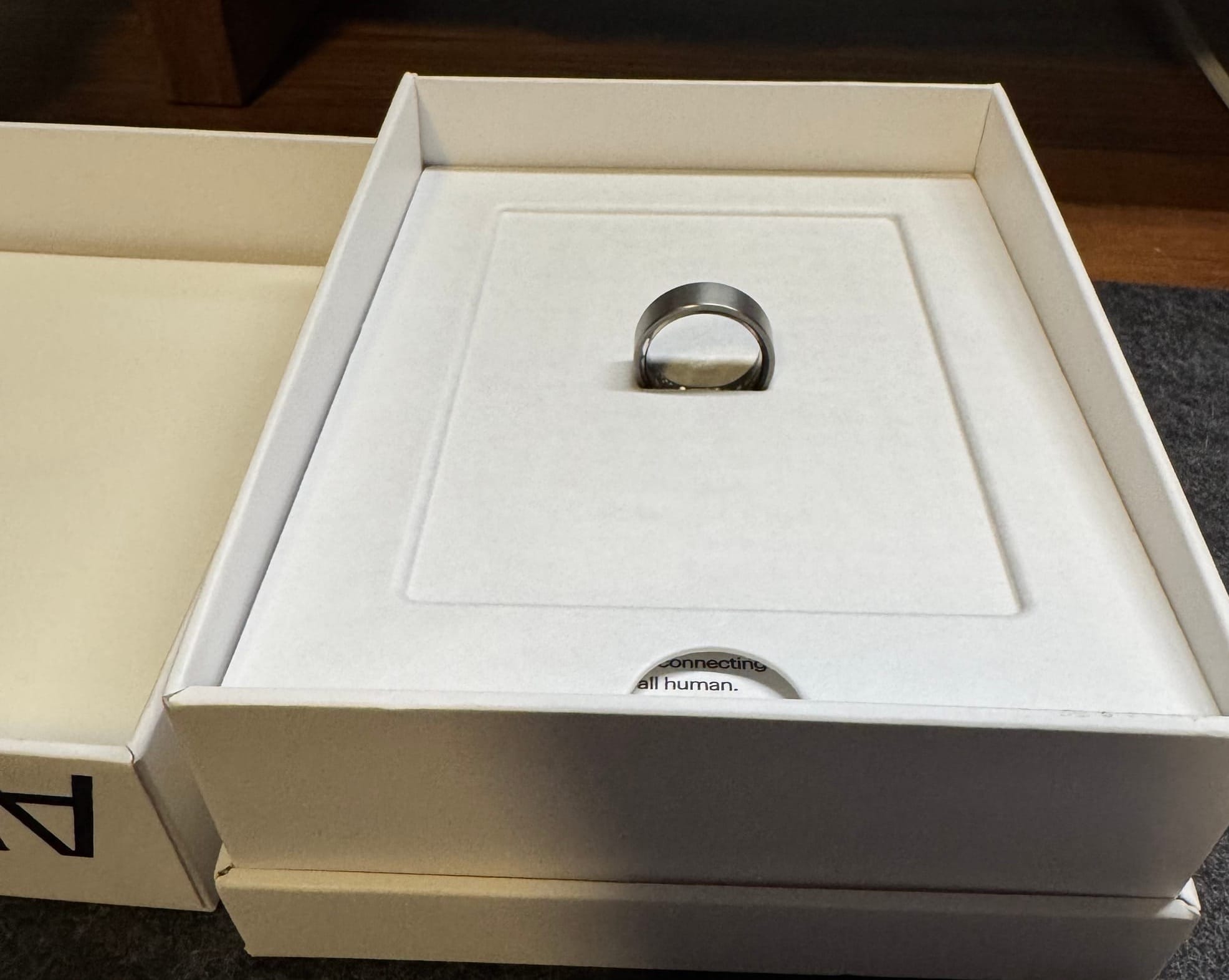
This review is based on daily use, from workouts, runs, to long workdays and even nights when I forgot to charge it (which happened more often than I’d like to admit).
My Rating
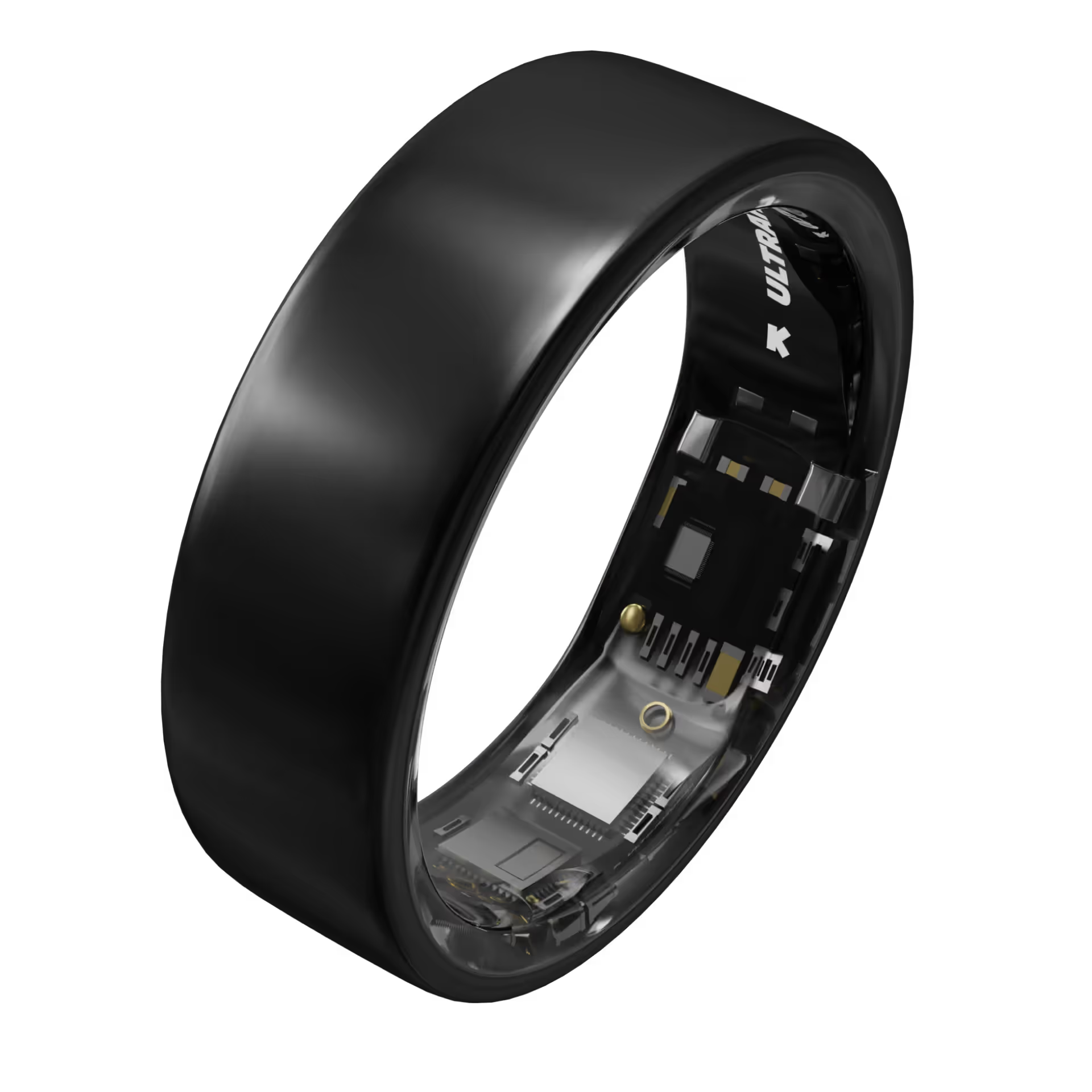
6.5/10
Why I Switched from the Apple Watch Ultra
I loved the Apple Watch Ultra for what it was, a powerful device with longer battery life that did everything. The problem was the lack of insight into my sleep or data and how to improve.
The Ultrahuman Ring offered a different philosophy: track what matters, stay out of the way, and help you understand your body instead of distracting you from it.
Cost & Warranty
The Ultrahuman Ring starts at $349 USD (about $480 to $490 CAD). I also opted for the two-year extended warranty (UltraHuman X), which adds coverage for theft, loss, accidental damage, and includes a free replacement if your ring size changes. The standard warranty only covers manufacturing defects for one year, so the upgrade felt worth it for peace of mind.
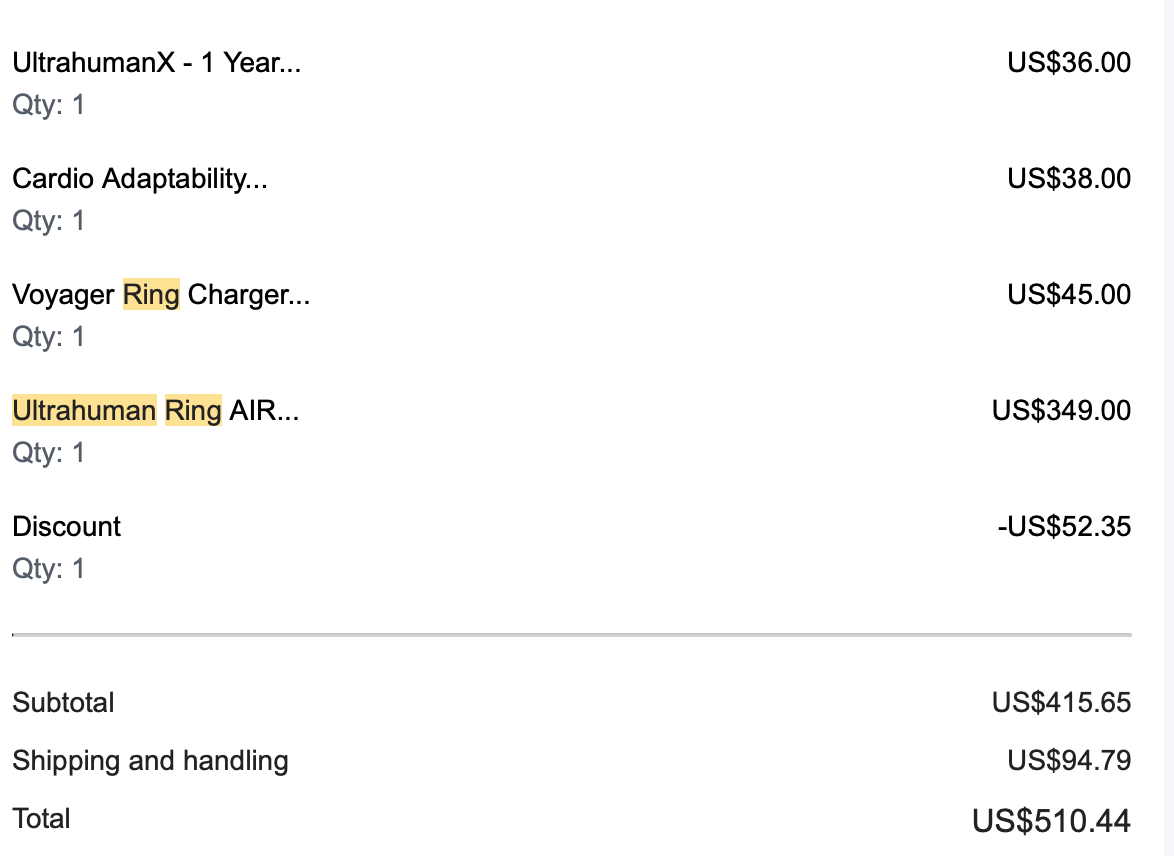
For transparency, as a Canadian buyer, I paid an additional $94 USD in shipping and border fees, something to keep in mind if you’re ordering from Canada.
Update: In Canada, it is now available at some Costco locations in store and online. I should have waited a few more months :'(
Wishlist and Improvements
TLDR: A scratch resistant coating to protect both the ring and everyday objects, optional subtle haptic feedback, more actionable and personalized insights when metrics are low, a fully functional macOS app, smoother workout navigation, more reliable heart rate tracking during activity, better personalized circadian rhythm guidance, fewer key metrics locked behind a paywall, clearer sizing guidance for in between sizes, and faster, more accurate iOS widget updates would significantly improve the overall experience.
- More scratch resistant materials or coatings: A softer outer coating, like a DLC or ceramic finish, would help prevent scratching everyday items like phones, keyboards, mugs, and consoles. At the same time, the ring itself should resist visible wear better. After only a few months, it already looks heavily used, which feels disappointing for a premium device.
- Optional haptic or vibration feedback: Even a very subtle vibration option would be useful, especially during workouts. Gentle feedback for milestones, zone changes, or workout start and stop would go a long way without turning the ring into a notification device like a smartwatch.
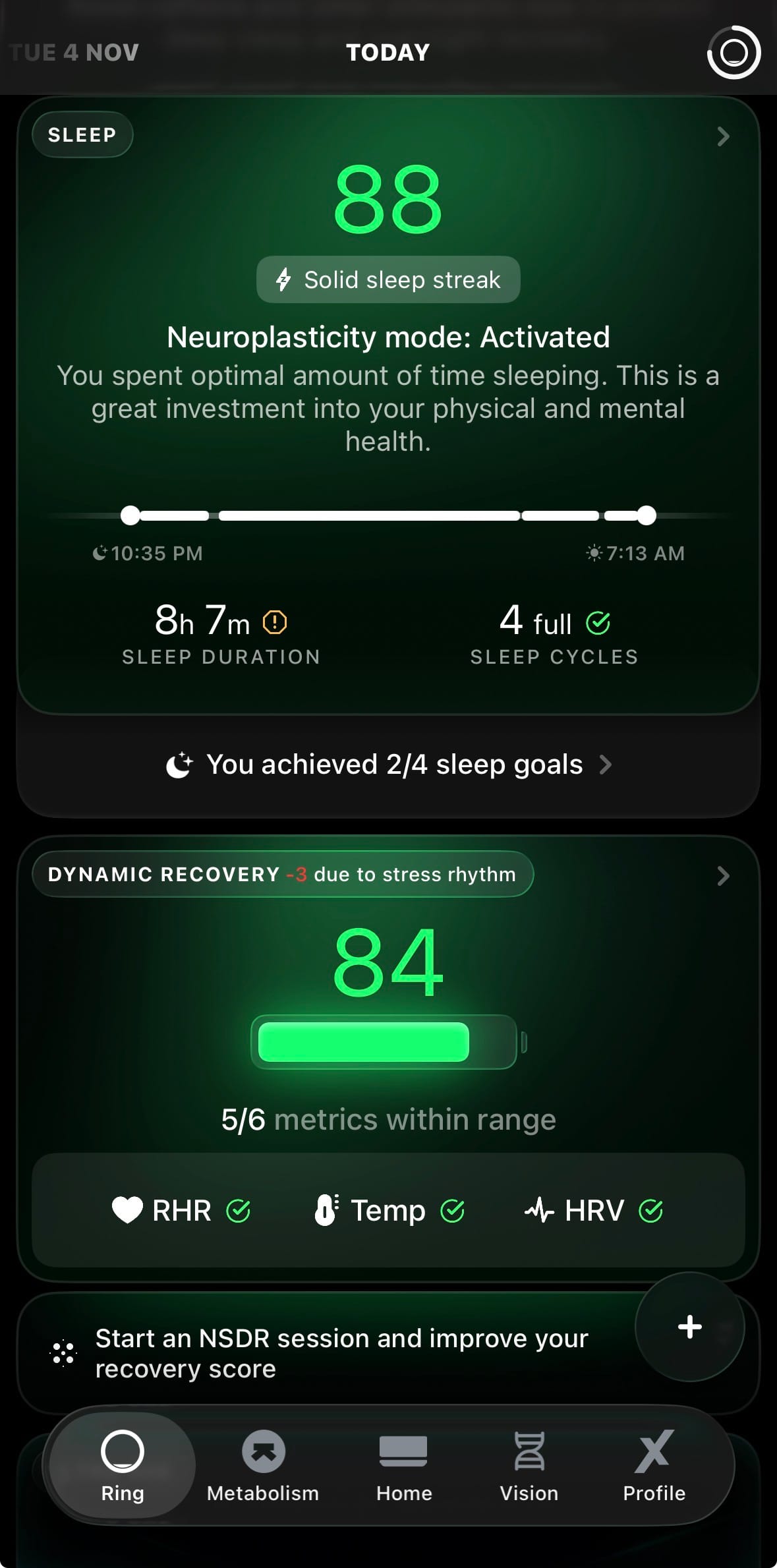
- Actionable insights when metrics are low: When sleep, recovery, or readiness scores drop, the app should do more than just show a number. Using trends from existing data to suggest possible causes or small adjustments would make the insights feel much more valuable and personal.
- A functional and informative macOS app: The macOS app currently feels unfinished. It should mirror core mobile features, display detailed metrics, and allow meaningful interaction instead of feeling like a placeholder.
- Better workout flow inside the app: Once a workout is started, you should be able to navigate the app freely without losing tracking. Locking the user into a single screen makes the experience feel restrictive and unfinished.
- Improved notification systemNotifications need to be more reliable, clearer, and better timed. Right now they feel inconsistent and sometimes easy to miss or ignore.
- More reliable heart rate tracking during activity: Heart rate data during walks, runs, and workouts can be inaccurate, sometimes showing unrealistically low or high values. Improving consistency here is critical for trusting workout and recovery metrics.
- Truly personalized circadian rhythm guidance: Circadian rhythm recommendations should be dynamically generated from your actual data, not based on generalized assumptions. Personal sleep and activity patterns should drive these insights.
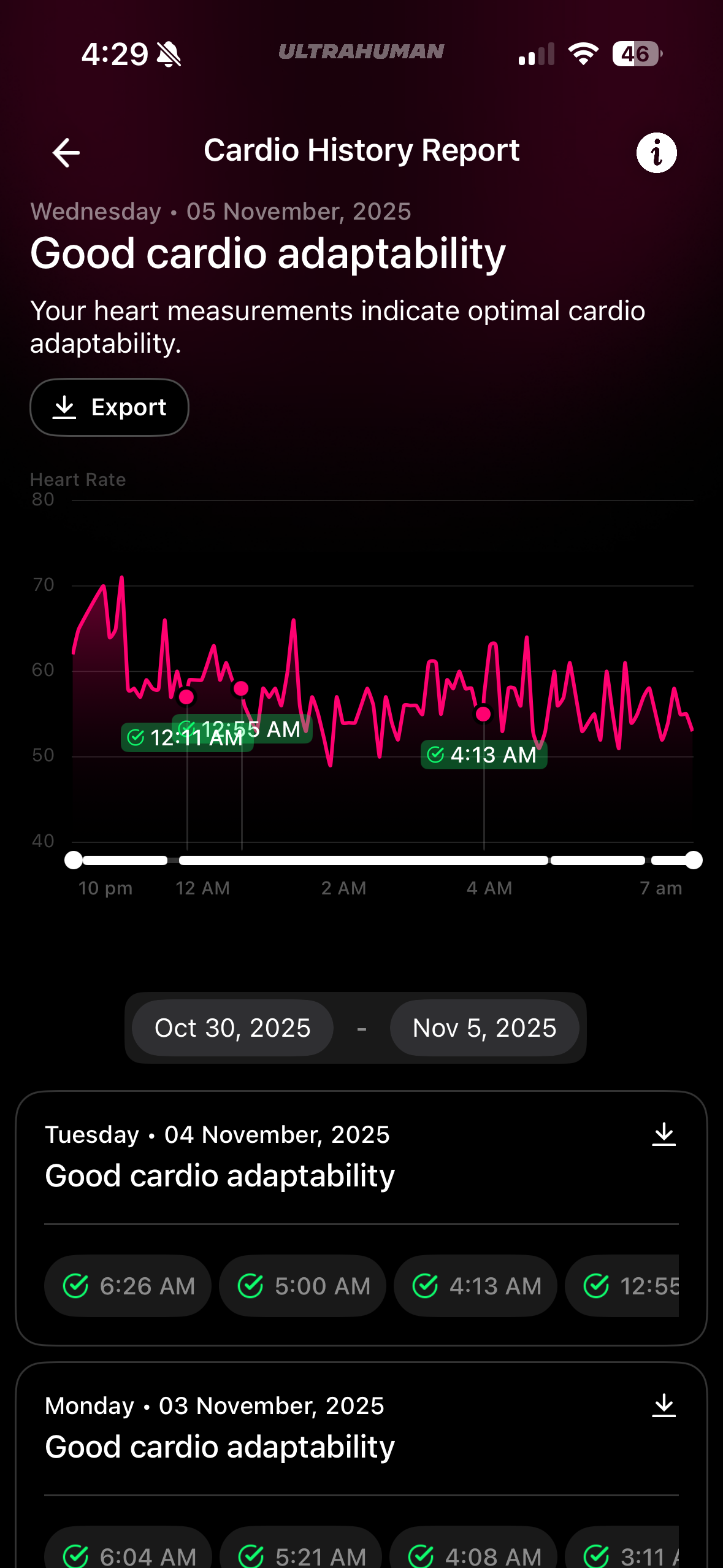
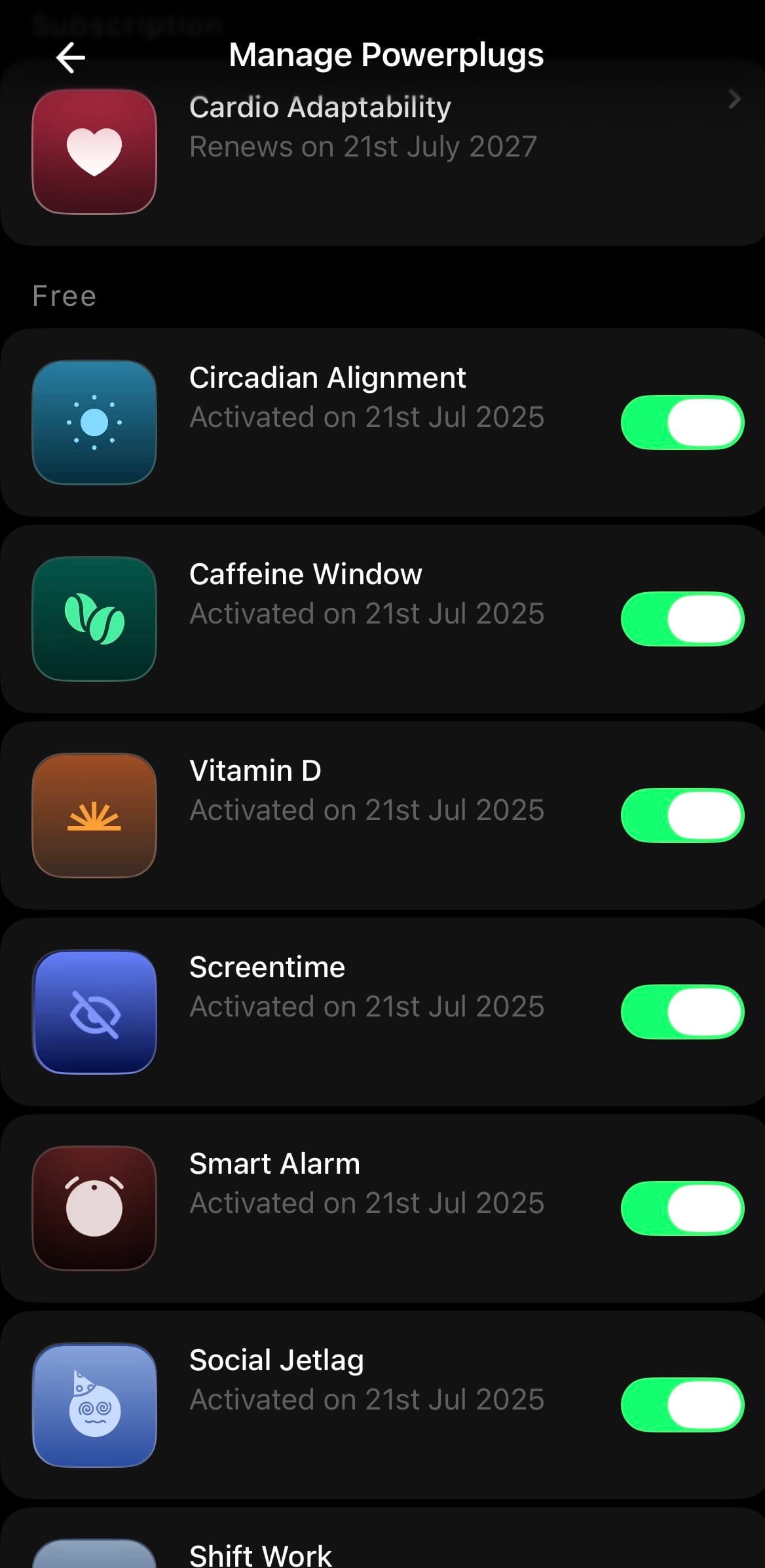
- Reduce paywall on advanced metrics: Some of the most interesting metrics, like cardio adaptability, feel arbitrarily locked behind a subscription. Including more of these by default would better justify the ring’s upfront cost.
- Better guidance for users between ring sizes: For users who fall between sizes, clearer recommendations or alternative fit solutions would help. While the warranty replacement for weight loss is great, initial fit still matters a lot for accuracy and comfort.
- More reliable and frequently updated iOS widgets: Widgets often display outdated data, especially step counts. Faster refresh rates and more accurate live stats would make them genuinely useful at a glance.
Final Thoughts
After six months of daily use, the Ultrahuman Ring has earned its place in my routine, but not without a few frustrations. Where it truly shines is in the depth and quality of its health data, especially sleep tracking. The level of detail around sleep, recovery, and readiness is a noticeable upgrade over the Apple Watch, and the iOS app presents this information in a clean, mostly intuitive way that makes checking in on my health feel effortless rather than overwhelming. The extended warranty also adds real peace of mind, especially for long term use and potential size changes.
That said, the experience is far from perfect. The titanium build, while durable, is too aggressive for everyday life, scratching both the ring and anything softer it comes into contact with. Combined with inconsistent heart rate tracking during workouts, limited actionable guidance when metrics drop, and an underdeveloped macOS app, some parts of the ecosystem feel unfinished. Add to that outdated widgets, missing haptics, and advanced metrics locked behind a paywall, and it’s clear there’s still room to grow.
Overall, the Ultrahuman Ring is best suited for people who value deep health and sleep insights and want to step away from the constant distractions of a smartwatch. If you’re comfortable accepting a few rough edges in exchange for excellent data and a minimalist experience, it’s an easy recommendation. With some thoughtful software improvements and refinements to the hardware, it has the potential to become one of the best smart rings on the market.

Stay Connected & Subscribe
If you enjoyed this review, make sure to subscribe so you don’t miss future posts. I have plenty more Product review coming soon. I’d also love to hear from you.
Subscribe